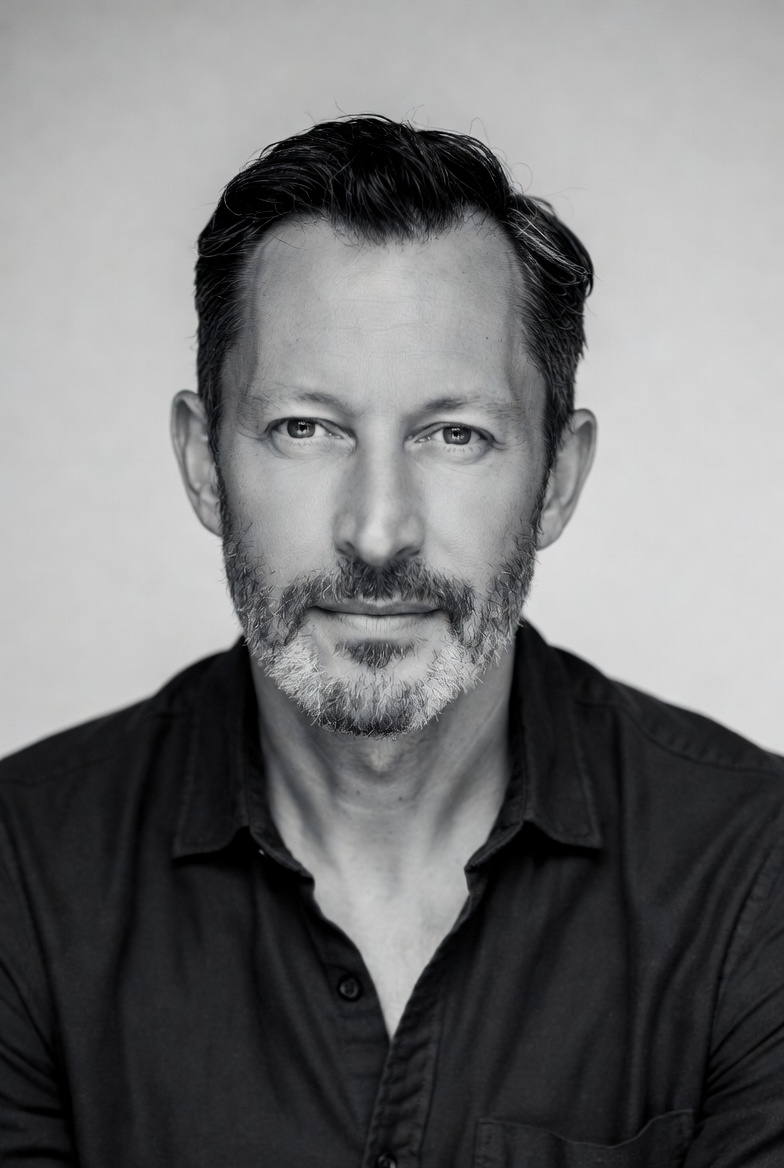

The James Bond film franchise, a cornerstone of global cinema since its 1962 debut with Dr. No, is currently at a cultural crossroads. With rumors circulating that Robert Pattinson has been cast as the next 007 and Denis Villeneuve slated to direct, the franchise's future is being debated not just in terms of box office performance, but through the lens of broader cultural conflicts regarding representation and narrative style. This discussion intensifies as the series, now owned by Amazon, navigates the expectations of long-time fans versus modern social commentary.
What the Right Is Saying
Conservative critics and traditionalist fans argue that recent cultural pressures have negatively impacted the quality and appeal of major franchises, including James Bond. Christian Toto, writing for Daily Wire, describes the Left as a spectre seeking to impose ideological conformity on entertainment, citing the decline of other major properties like Star Wars and Doctor Who as cautionary tales. Toto argues that the woke approach, characterized by lectures and identity politics, has alienated core audiences. He notes that The Last Jedi and The Acolyte suffered from what he describes as overt lectures and woke primers, leading to fan backlash.
Critics on the right contend that the Bond character’s traditional traits—being a straight white male with a license to kill—are integral to the franchise's DNA. They express concern that casting a transgender performer as a Bond Girl or further altering the character's fundamental nature would generate ill will and destroy the positive buzz surrounding the Pattinson-Villeneuve pairing. Some commentators argue that the Left is more interested in ideological victories, or scalps, than in the creative survival of the franchise, suggesting that Amazon may succumb to these pressures despite the risks to box office revenue.
What the Left Is Saying
Progressive commentators and industry voices have argued that the Bond franchise requires modernization to remain relevant in a contemporary social landscape. Director Cary Fukunaga, who helmed No Time to Die, previously characterized Sean Connery’s portrayal of Bond as resembling a rapist, highlighting a critical view of the character's traditional treatment of women. Actor Daniel Craig, who portrayed Bond in five films, stated that the production team was very conscious of what’s going on in the world and aimed to adjust certain character traits that were no longer acceptable. Craig also noted a deliberate shift in visual dynamics, stating he ensured his Bond showed more skin than the Bond Girls to challenge the traditional Male Gaze.
Advocates for these changes point to the introduction of Lashana Lynch as a female 007 in No Time to Die as a step toward inclusivity. Some media outlets, including Cosmopolitan and Variety, have reportedly floated the idea of casting transgender performer Hunter Schafer as a future Bond Girl, reflecting a desire to expand the franchise's definition of identity. Supporters argue that these adjustments are necessary evolutions of storytelling that reflect the current audience's values.
What the Numbers Show
The James Bond franchise began in 1962 and has produced 25 official films, becoming one of the longest-running and most profitable series in cinema history. While specific global box office totals for recent Bond entries are not detailed in the source, the text notes that The Last Jedi (2017) injected overt lectures into the Star Wars saga, and The Acolyte became a woke primer before being cancelled after one season. The recent dud The Mandalorian & Grogu showed how far Star Wars has fallen, earning less than any other Star Wars feature. TV’s Doctor Who is on hiatus, felled by woke bromides and identity politics casting. The Marvel Cinematic Universe went woke after a decade of unparalleled success, with projects like The Marvels and Eternals cited as examples, before attempting to climb back by sticking to the basics.
Market analysis suggests that the upcoming Bond film faces uncertainty regarding its demographic reach. Gen Z audiences have shown varying levels of engagement with legacy franchises compared to newer digital-native entertainment. The casting rumors involving Robert Pattinson, a star with a strong following in indie and blockbuster genres, have generated significant online engagement, though ticket sales will ultimately determine the viability of the current creative direction. Amazon's acquisition of the franchise rights places the property under the umbrella of a tech giant, adding a layer of corporate strategy to the cultural debate.
The Bottom Line
The future of the James Bond franchise hinges on its ability to balance traditional appeal with contemporary cultural expectations. While the casting of Robert Pattinson and director Denis Villeneuve has generated excitement, the surrounding debate about the character's identity and the influence of woke narratives remains polarized. The outcome of the next film will serve as a significant data point for the entertainment industry regarding the commercial viability of legacy franchises in an era of heightened social scrutiny. Stakeholders will watch closely to see if the franchise maintains its core audience while navigating these ideological currents, or if it follows the path of other properties that have struggled with similar transitions.