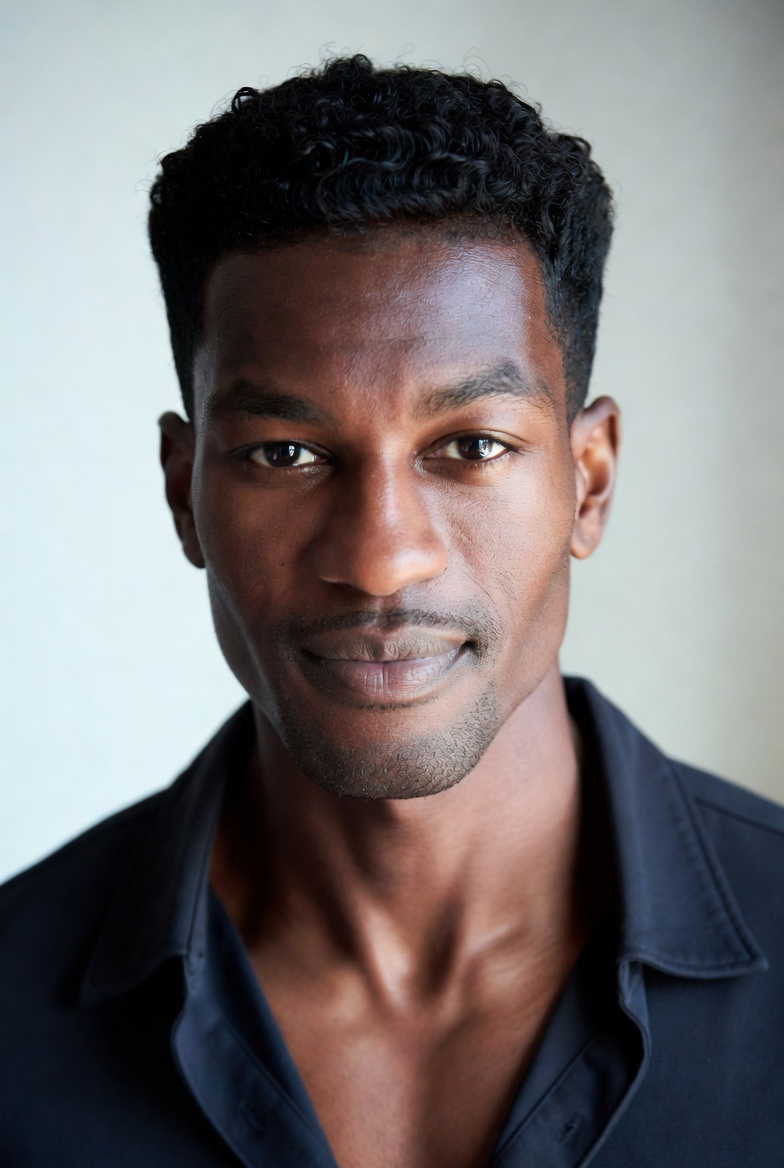
California Governor Gavin Newsom has generated significant political reaction after admitting in a recent interview that the state’s decision to close beaches during the COVID-19 pandemic was "insane in hindsight." The comments, made to CNN anchor Jake Tapper while the governor was fly fishing in Montana, have fueled online debate regarding the management of public health restrictions during the crisis.
In the interview, Newsom reflected on several pandemic-era decisions he now regrets, including the closure of beaches and the prolonged suspension of in-person learning in the state's largest public school systems. He noted that the initial response to the virus was overly focused on surface transmission, describing it as a "Purell-based crisis" that prioritized hand sanitizer shortages over the viral spread itself.
What the Left Is Saying
While specific Democratic leadership responses were not detailed in the immediate reporting, the context of Newsom's comments suggests an attempt to reframe his legacy by acknowledging the complexity of decision-making during an unprecedented health emergency. Newsom stated, "Look, everyone's a genius in hindsight, so, you know, coulda, woulda," indicating a perspective that leaders often lack complete information in real-time crises.
The admission comes amid ongoing discussions about the balance between public health mandates and civil liberties. Supporters of strict early interventions argue that the data available in March 2020, when California issued its statewide stay-at-home order, justified aggressive measures to prevent healthcare system collapse, even if some specific restrictions, like beach closures, appear excessive in retrospect.
What the Right Is Saying
Conservative commentators and critics seized on Newsom’s remarks as validation of their long-standing opposition to pandemic restrictions. Republican former Los Angeles mayoral candidate Spencer Pratt wrote on X, "No, Gavin. It was insane then . We all told you it was insane then. You knew it was insane then. You're just an insane person."
Assistant Attorney General Harmeet Dhillon, who previously sued the state to reopen Orange County beaches, noted on X that Newsom had lifted her order to moot legal cases before hearings. "You knew it back then too, Governor," Dhillon wrote. Fox News political analyst Guy Benson added, "Not just in hindsight!" emphasizing that the criticism was contemporaneous.
Other critics, including Benny Johnson, highlighted perceived inconsistencies in enforcement, such as the arrest of a paddleboarder and the contrasting rules for Black Lives Matter protests versus beach access. Comedian Adam Carolla compared Newsom to a "sea captain who ran his tanker into the rocks," suggesting the governor is now seeking political advantage by acknowledging past errors.
What the Numbers Show
California was the first state to issue a statewide stay-at-home order on March 19, 2020, affecting nearly 40 million residents. The state also remained among the last to resume full-time, in-person learning. Newsom, elected in 2018, faced a recall election in 2021, fueled largely by dissatisfaction with pandemic handling and economic fallout, but ultimately retained his office.
Public data and media reports from the period confirm that while state beaches were closed, some city beaches remained open, leading to crowded conditions. Additionally, Newsom drew criticism for attending an upscale dinner in November 2020 while imposing strict gathering limits on residents. In July, former National Institute of Allergy and Infectious Diseases director Dr. Anthony Fauci invoked the Fifth Amendment 111 times while testifying before the Senate Homeland Security and Governmental Affairs Committee regarding the government's response.
The Bottom Line
Newsom’s admission signals a potential shift in how Democratic leaders may approach the historical narrative of the pandemic, moving from defense to selective acknowledgment of errors. This development occurs as questions about the scope of executive power during health emergencies continue to influence political discourse. The governor’s office did not immediately respond to requests for further comment on whether these admissions would impact his future political ambitions.