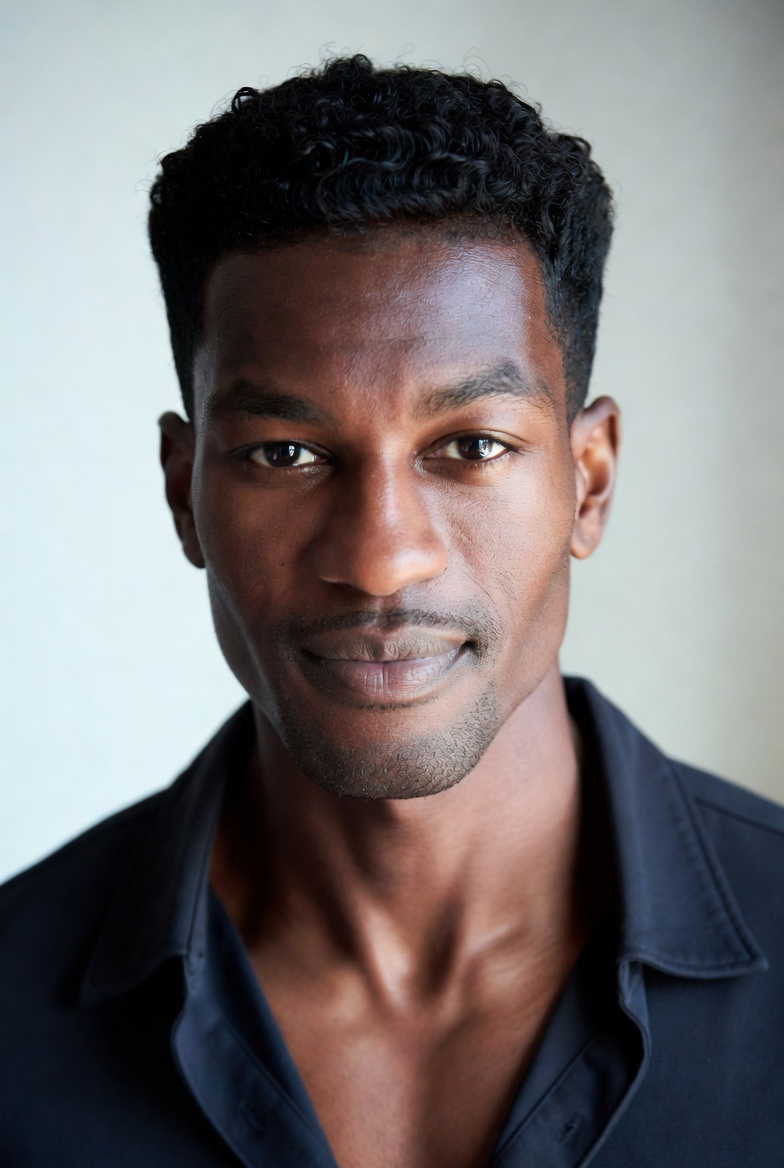
Michigan Senate candidate Abdul El-Sayed confronted a journalist during a campaign press conference, challenging the premise that his current relationship with former Vice President Kamala Harris represents a political reversal. The exchange occurred after a reporter asked El-Sayed about the potential for voters to view his previous support for the 'uncommitted' movement in the 2024 presidential primary as a 'flip-flop' in his opinion of Harris.
El-Sayed, who appeared alongside Harris at a recent campaign event, disputed the characterization of his past actions as contradictory to his present support. The incident highlights the ongoing scrutiny of candidate records in the 2026 election cycle, particularly for Democrats who engaged with internal party primary challenges in 2024. The interaction took place in front of media and supporters, with El-Sayed directly addressing the reporter's framing of the question.
What the Right Is Saying
Conservative critics and Republican strategists often cite the 'uncommitted' vote as evidence of weakness or division within the Democratic Party. From this perspective, questions about 'flip-flopping' are seen as fair inquiries into a candidate's consistency and loyalty to party leadership. Critics argue that supporting a movement that challenged the incumbent Vice President's candidacy, only to campaign alongside her shortly after, suggests political opportunism rather than principled evolution.
Some right-leaning commentators note that El-Sayed's aggressive response to the reporter mirrors a broader trend of politicians avoiding direct answers to difficult questions about their records. They argue that if there were no contradiction to address, the candidate would have simply clarified his position without challenging the journalist's premise. This viewpoint holds that the 2024 primary dynamics remain relevant to understanding candidate reliability in 2026, and that the media's attempt to probe these inconsistencies is a standard function of political reporting.
What the Left Is Saying
Progressive commentators and El-Sayed's supporters generally view the 'uncommitted' vote of 2024 not as an anti-Harris sentiment, but as a protest against the administration's foreign policy, specifically regarding the war in Gaza. Many in this camp argue that El-Sayed's participation in the movement was a legitimate exercise of democratic dissent within the party, rather than a rejection of Harris herself. They contend that criticizing a reporter for using the term 'flip-flop' is a necessary pushback against simplified narratives that ignore the nuance of intra-party debates.
Supporters of this view emphasize that El-Sayed has consistently advocated for progressive policies and that his current alignment with Harris reflects a unified Democratic front against Republican opponents in 2026. They argue that the media's focus on past primary mechanics distracts from the substantive policy agreements between El-Sayed and Harris on issues like healthcare and economic inequality. The defense of El-Sayed's position rests on the idea that political evolution and strategic coalition-building are normal parts of a Senate campaign, not evidence of instability.
What the Numbers Show
In the 2024 Michigan Democratic presidential primary, the 'uncommitted' option received over 100,000 votes, reflecting significant dissatisfaction with the Biden-Harris administration's handling of Middle East policy. This bloc represented a notable fraction of the total Democratic vote in the state, demonstrating the tangible political weight of the movement. El-Sayed, who was not a presidential candidate, aligned with this sentiment, which has now become a point of contention in his Senate race.
Data from recent polling in Michigan indicates that the Democratic base remains highly motivated in the 2026 cycle, with high favorability ratings for Harris among Democratic primary voters. However, internal party polls from 2024 showed that a significant portion of 'uncommitted' voters were open to supporting Harris in the general election if specific policy concessions were made. The shift from primary dissent to campaign allyship is a documented phenomenon in previous election cycles, though the visibility of the 'uncommitted' movement in 2024 was unprecedented in scale.
The Bottom Line
The confrontation between El-Sayed and the reporter underscores the heightened sensitivity to candidate records in the 2026 election. As Democrats seek to present a unified front against Republican challengers, the legacy of the 2024 'uncommitted' movement remains a potential wedge issue. Voters and analysts will likely continue to scrutinize how candidates reconcile past intra-party dissent with current campaign alliances. The outcome of this narrative battle may influence voter trust in El-Sayed's consistency as he moves toward the general election.