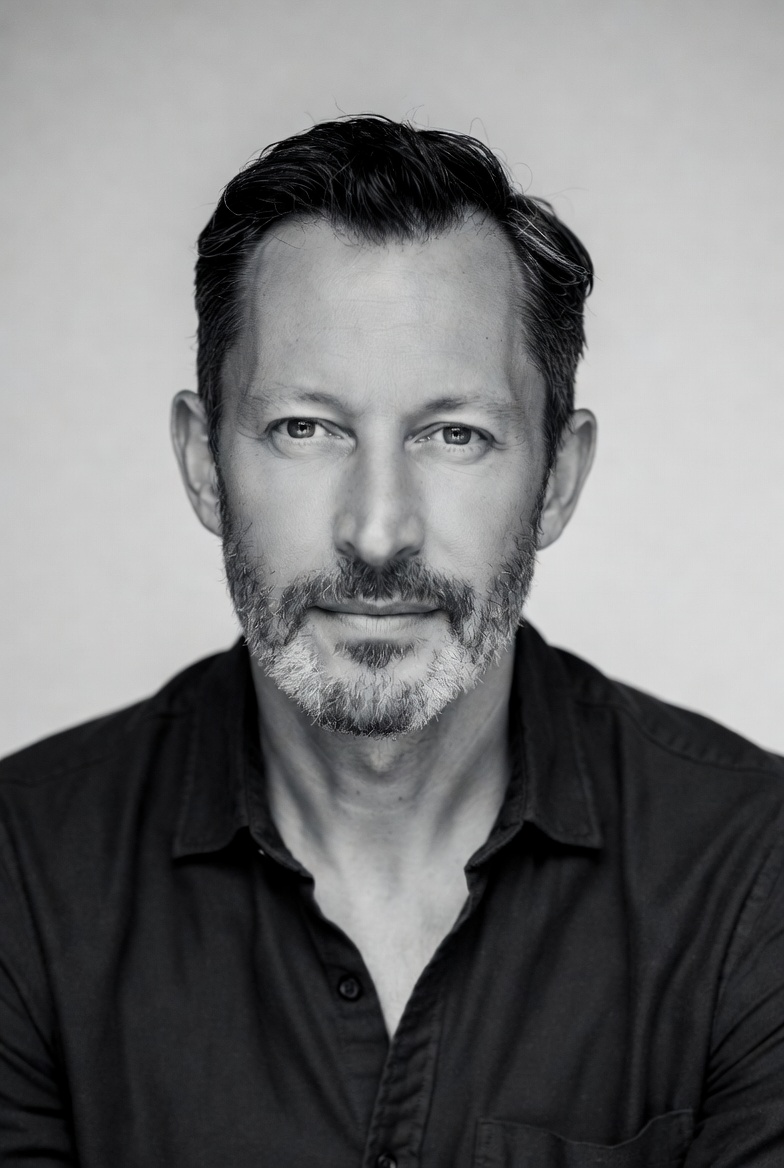
As the United States confronts complex national security challenges ranging from Chinese geopolitical influence to artificial intelligence-driven cyber threats, a graduate program at Seton Hall University is positioning students to enter the workforce with immediate operational readiness. The National Security Graduate Fellowship at Seton Hall’s School of Diplomacy and International Relations pairs students with government agencies to conduct research on pressing foreign policy issues. According to founder Mohamad Mirghahari, the program boasts an 80% placement rate, with graduates securing positions at the National Security Agency (NSA), Central Intelligence Agency (CIA), Secret Service, military branches, and defense contracting firms.
Mirghahari, a former Department of Defense official who served in leadership roles supporting counterterrorism initiatives and as a senior advisor to the Transportation Security Administration, designed the curriculum to bridge the gap between academic theory and government application. He stated that his goal is for students to be "ready day one" upon hiring. The program distinguishes itself by having students tackle real-world requirements for government agencies that often lack sufficient resources, a model Mirghahari described as unique compared to other national security programs in the country.
What the Right Is Saying
Conservative voices frequently argue that the U.S. government suffers from bureaucratic inefficiency and a lack of practical, real-world experience among its workforce. Mirghahari’s assertion that students are better equipped than some employees with five to ten years of tenure resonates with critiques of federal hiring practices and tenure systems that prioritize seniority over agility. Supporters of this view, including former administration officials cited in related coverage, often call for faster integration of technological expertise into national security apparatuses. The program’s focus on counterterrorism and direct support to agencies like the CIA and NSA reflects a traditionalist view of national security that prioritizes hard capabilities and direct government service over purely theoretical study.
What the Left Is Saying
Progressive analysts and educators often emphasize the importance of interdisciplinary approaches to national security, focusing on soft power, diplomacy, and the societal impacts of technology. While the source material primarily highlights the program's structural advantages, the emphasis on topics like foreign influence and the ethical implications of AI aligns with broader academic trends that seek to understand security through a lens of global interconnectedness and human rights. Critics from this perspective typically advocate for greater transparency in how national security research is conducted, noting that programs integrating student labor into government projects must ensure that academic integrity is maintained alongside operational utility.
What the Numbers Show
The program reports an 80% placement rate for its graduates, according to founder Mohamad Mirghahari. The curriculum involves direct research projects for government clients, including the State Department, where students analyzed strategies for potential U.S. re-engagement with the Taliban in Afghanistan. Mirghahari estimates that the skills acquired through this hands-on experience are equivalent to five years of on-the-job training in a standard national security position. The program utilizes tools such as artificial intelligence, graph theory, and analytical methods to process large datasets related to foreign influence and cyber operations. Guest lecturers include practitioners from across the United States government, providing students with insights into current field experiences.
The Bottom Line
The Seton Hall National Security Graduate Fellowship illustrates a growing trend in higher education to align academic training closely with immediate government needs. By leveraging student research to fill resource gaps in agencies like the CIA and NSA, the program aims to accelerate the operational readiness of new hires. As national security threats evolve to include AI and complex geopolitical flashpoints, the demand for personnel who can navigate these technologies immediately upon entry is likely to increase. The program’s high placement rate suggests that government agencies are increasingly valuing practical, pre-employment experience in specialized fields. Future developments will likely focus on how such models expand to other universities and whether they influence broader federal hiring standards for entry-level national security roles.