
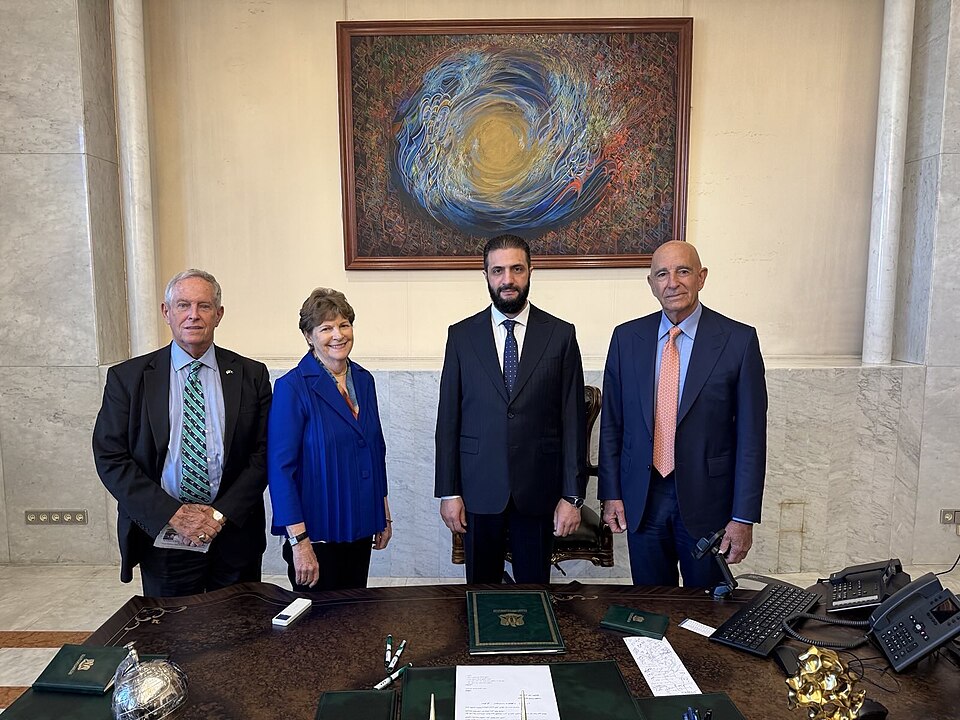
Democratic Sen. Jeanne Shaheen of New Hampshire and Republican Sen. Thom Tillis of North Carolina completed a bipartisan tour of East Asia, meeting with regional leaders to reassure US allies amid evolving geopolitical dynamics.
The Senate delegation's trip marked an unusual bipartisan diplomatic effort at a time of heightened tensions in the Indo-Pacific region. Both senators serve on committees relevant to foreign affairs and national security.
What the Left Is Saying
Progressive Democrats have emphasized the importance of maintaining consistent US engagement with allies in East Asia, particularly as concerns grow about regional stability. Shaheen's office has highlighted the senator's long-standing commitment to diplomatic engagement as a tool of American foreign policy.
Democratic supporters of the trip noted that bipartisan congressional delegations send a powerful message to allies about sustained US commitment regardless of changes in administration or political cycles. They argue that face-to-face diplomatic engagement demonstrates American reliability.
What the Right Is Saying
Conservative Republicans have stressed that military readiness and firm deterrence messaging are essential components of any US outreach to allies in the region. Tillis has been a vocal advocate for strong defense posture and military cooperation with Pacific allies.
Republican supporters of the delegation said that bipartisan congressional visits underscore to adversaries that US support for allies is a consensus position transcending partisan politics. They emphasized the importance of demonstrating unity on security commitments.
What the Numbers Show
Congressional delegations to East Asia have increased in frequency over the past several years, with both parties conducting separate and joint trips to the region. The Senate maintains active diplomatic relationships through its constitutional advise and consent role on treaties and appointments.
US alliance commitments in the Indo-Pacific involve significant military presence, with approximately 80,000 US personnel stationed across Japan, South Korea, and Guam. Trade relationships with East Asian economies represent trillions of dollars in bilateral commerce annually.
The Bottom Line
The bipartisan delegation reflects ongoing congressional interest in maintaining US alliances in East Asia. Both senators' offices described the trip as an opportunity to reinforce American commitment to regional partners.
The full details of the meetings and any specific commitments made during the trip were not immediately available. NPR reported that additional reporting on the delegation's outcomes will be published as more information becomes public.
The senators' trip comes amid ongoing debates about US strategy in the Indo-Pacific, with both parties generally supporting alliance maintenance while differing on specific policy approaches. Future congressional delegations are expected to continue this diplomatic tradition.