
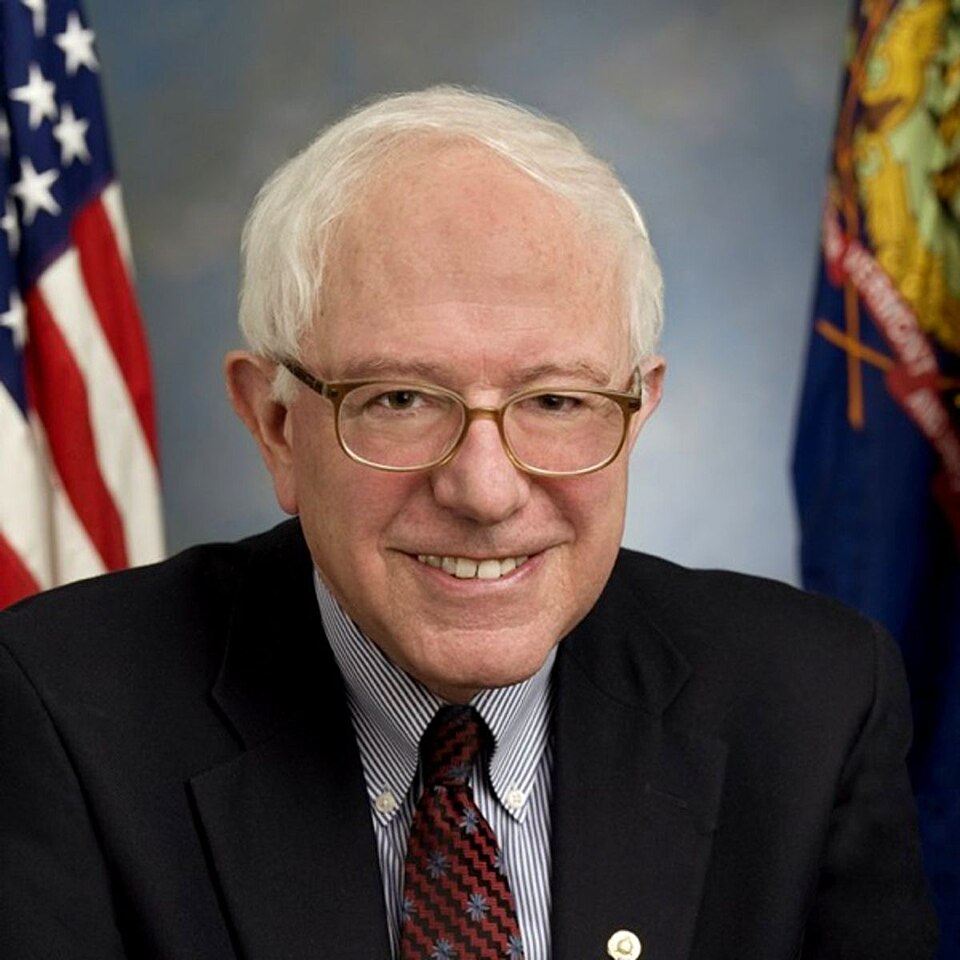
Sen. Cory Booker (D-N.J.) said Sunday that the Democratic Party "has failed this moment" by not embracing a political vision that transcends traditional party lines and the left-versus-right divide.
Booker made his comment during an interview with NBC's "Meet the Press" when asked about arguments in his new book that political parties cannot "cancel everyone who fails a purity test." The New Jersey senator, who is running for re-election this year, said he is not ruling out a presidential run in 2028.
"I'm proud of so many things that my Democratic colleagues are doing. But as a whole, our party has failed this moment. It's why I've called for new leadership in America," Booker said, arguing that party leaders have become too mired in partisan fighting.
What the Left Is Saying
Progressive Democrats and some party activists have expressed frustration with the direction of the party following electoral losses, though many have differing views on the cause. Booker himself has been a progressive voice on issues like criminal justice reform and healthcare, and his call for generational renewal has resonated with some who believe the party needs to look forward.
Some progressive leaders have similarly argued that Democrats need to reconnect with working-class voters and abandon what they see as overly cautious messaging. Booker's emphasis on transcending partisan divisions echoes calls from figures like Sen. Bernie Sanders (I-Vt.) for a more populist, grassroots-oriented approach to politics.
Other progressive voices have countered that the party should not abandon its core principles to chase political viability. Some Democrats have argued that purity tests, while imperfect, help ensure the party remains committed to its foundational values on issues like civil rights, healthcare access, and environmental protection.
What the Right Is Saying
Republicans have broadly welcomed Booker's criticism of his own party, though many have also questioned the sincerity of his remarks given his potential presidential ambitions. Conservative commentators note that Booker's assessment aligns with critiques Republicans have long made about Democratic Party leadership.
Some Republican strategists have suggested Booker's comments reflect a party in disarray, unable to unite behind a coherent message. Others have noted that Booker's criticism of Democratic focus on Trump mirrors attacks Republicans have made about Democratic opposition to the former president.
Conservative critics have also pointed out that Booker himself has been an active participant in Democratic Party politics and questioned whether his call for new leadership represents a genuine ideological shift or political positioning. Some Republicans have used Booker's remarks to argue that the Democratic Party's progressive wing has become disconnected from mainstream American voters.
What the Numbers Show
Booker's comments come amid ongoing soul-searching within the Democratic Party following recent electoral results. The party has faced questions about its coalition's cohesion and ability to appeal to swing voters in key demographics.
Booker is running for re-election to the U.S. Senate from New Jersey in 2026. A Quinnipiac poll from late 2025 showed Booker with favorable ratings among New Jersey voters, though the race remains competitive.
National polling has shown persistent partisan division in America, with recent surveys indicating that only about 30% of Americans identify as Democrats, compared to roughly 33% Republicans. The remainder identify as independents or with third parties.
Booker has not officially announced a 2028 presidential campaign, but his comments suggest he is positioning himself for a potential run. Previous primary cycles have shown that early messaging about party direction often serves as groundwork for prospective candidates.
The Bottom Line
Booker's criticism reflects broader debates within the Democratic Party about strategy, leadership, and electoral messaging. His call for transcending partisan divisions while not ruling out a 2028 presidential bid places him at the intersection of these internal party discussions.
The senator's remarks highlight concerns shared by some Democrats that excessive focus on Trump and partisan combat may distract from longer-term challenges including technological disruption, economic inequality, and democratic institution reform. Whether this critique gains traction within the party apparatus remains to be seen.
Booker's potential 2028 candidacy, should he pursue it, would test whether voters respond to a message of generational change and bipartisan cooperation. The coming months will reveal whether other party figures embrace similar rhetoric or offer alternative visions for the party's direction.